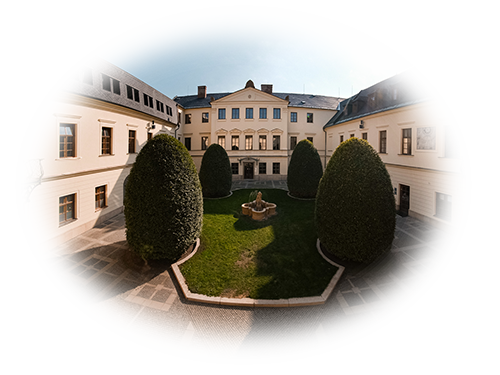

Olomouc female scientists from around the world
Women play an irreplaceable role in science: they bring perspectives that differ from those of their male colleagues, approach research topics from new angles, and enrich scientific dialogue. Yet although women and girls make up a majority of students at most universities in the Czech Republic, their numbers decline as we move up the ladder of academic degrees and positions. This is why it is important to highlight the stories of successful women in science. They serve as role models for younger colleagues and students, demonstrating that it is possible to balance professional and family life and that the glass ceiling can be broken.
New perspectives and experiences in scientific research are also contributed by scientists from abroad. It is no coincidence that the world’s most successful research institutions are, for the most part, multicultural. This year’s celebration of the International Day of Women and Girls in Science therefore seeks to highlight the international dimension of Palacký University – because science knows no borders!
Here we present profiles of nine women scientists from abroad who represent Palacký University and showcase the richness of our academic community. Each of them is unique, yet they share one thing in common: a passion for science, as well as for our university city, which has captured their hearts.
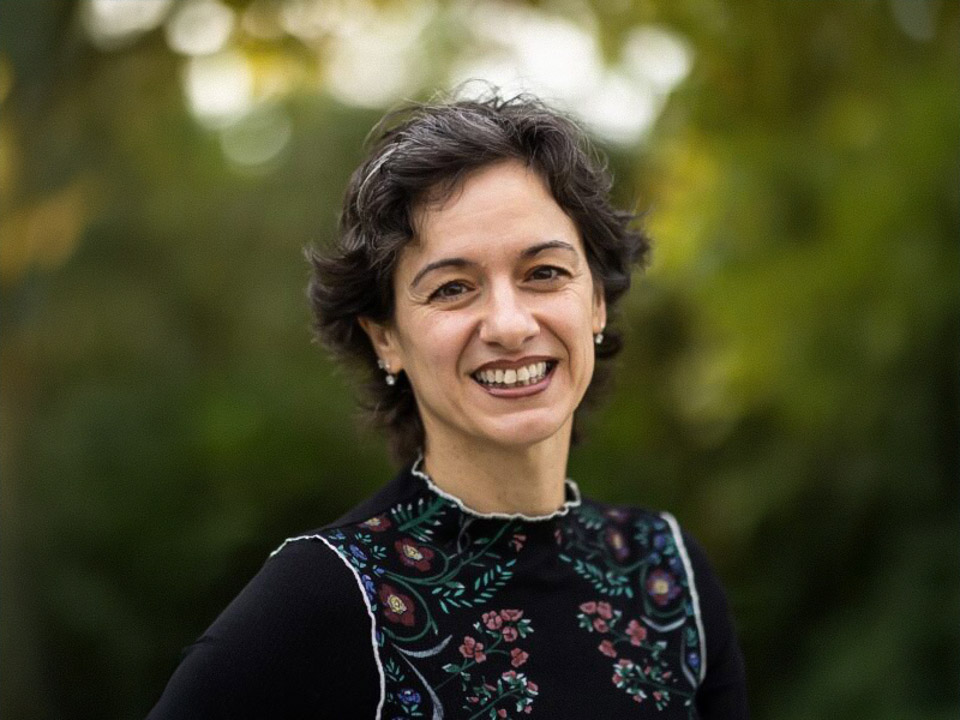
Nuria De Diego Sanchez

CATRIN
A biologist studying plant resilience while challenging long-established stereotypes
Nuria De Diego Sanchez came to Olomouc from Spain in 2013 to work as a postdoctoral researcher at the Faculty of Science. She chose Olomouc based on a one-month stay during her PhD, when her supervisor collaborated with an Olomouc research group studying plant hormones. She decided to join Palacký University because of the modern laboratory equipment and the new methods that were being established at the Holice campus at that time.
Since then, she has become the head of the Plant–Environment Interactions Group at the Czech Advanced Technology and Research Institute (CATRIN). Her research focuses on how plants respond to various stressors. Her team investigates plant reactions to environmental challenges such as drought, heat, and pathogens.
“My group aims to study all possible stressors together, because in the real world – out in the field, plants are very often exposed to several of them simultaneously. In the past, scientists studied different stressors separately, but then the results obtained in laboratories did not always reflect reality,” Nuria explains the scientific approach of her team.
In her lab, scientists use cutting-edge methods to study and genetically engineer plants so they can better withstand stress conditions without the need for pesticides and other chemicals. Their research focuses on many agriculturally important crops – including barley, potatoes, tomatoes, maize, and peas.
“The future of plant research lies in a multifactorial approach. It is not only the plant itself that we should study, but the entire environment – the soil, the air, and also the plant microbiome. Everything is interconnected in the real world, and to face the challenges of climate change as well as the growing global population, we need to be prepared,” says Nuria.
Although she is regarded as a successful scientist today, she admits that her beginnings in Olomouc were not easy. She entered an environment where there were the just few persons speaking a language other than Czech, and she had to work harder than others to justify her position. This experience has made her particularly welcoming to students and young researchers from abroad. As a result, she now leads a multicultural team of 18 members, almost half of whom are international researchers.
Nuria also found her life partner in Olomouc – unsurprisingly, a fellow scientist from CATRIN, and started a family. Once again, she broke established norms. From the very beginning, she brought her children to work, and it was not unusual to see colleagues pushing stroller around while she conducted experiments or attended meetings. Based on her own experiences, she is also trying to be the utmost supportive group leader for parents in her lab.
“I like to show people that things can be done differently than they might expect. My motto is: ‘If you want to, you can. If you don’t try, you don’t know whether it’s possible.’ It’s a good mindset for science as well as for life in general,” Nuria shares her attitude. Although she admits that serving as a role model can sometimes be challenging, she remains authentic – and as she gets older, she cares less about the opinions of others.
“My group aims to study all possible stressors together, because in the real world – out in the field, plants are very often exposed to several of them simultaneously. In the past, scientists studied different stressors separately, but then the results obtained in laboratories did not always reflect reality,” Nuria explains the scientific approach of her team.
In her lab, scientists use cutting-edge methods to study and genetically engineer plants so they can better withstand stress conditions without the need for pesticides and other chemicals. Their research focuses on many agriculturally important crops – including barley, potatoes, tomatoes, maize, and peas.
“The future of plant research lies in a multifactorial approach. It is not only the plant itself that we should study, but the entire environment – the soil, the air, and also the plant microbiome. Everything is interconnected in the real world, and to face the challenges of climate change as well as the growing global population, we need to be prepared,” says Nuria.
Although she is regarded as a successful scientist today, she admits that her beginnings in Olomouc were not easy. She entered an environment where there were the just few persons speaking a language other than Czech, and she had to work harder than others to justify her position. This experience has made her particularly welcoming to students and young researchers from abroad. As a result, she now leads a multicultural team of 18 members, almost half of whom are international researchers.
Nuria also found her life partner in Olomouc – unsurprisingly, a fellow scientist from CATRIN, and started a family. Once again, she broke established norms. From the very beginning, she brought her children to work, and it was not unusual to see colleagues pushing stroller around while she conducted experiments or attended meetings. Based on her own experiences, she is also trying to be the utmost supportive group leader for parents in her lab.
“I like to show people that things can be done differently than they might expect. My motto is: ‘If you want to, you can. If you don’t try, you don’t know whether it’s possible.’ It’s a good mindset for science as well as for life in general,” Nuria shares her attitude. Although she admits that serving as a role model can sometimes be challenging, she remains authentic – and as she gets older, she cares less about the opinions of others.
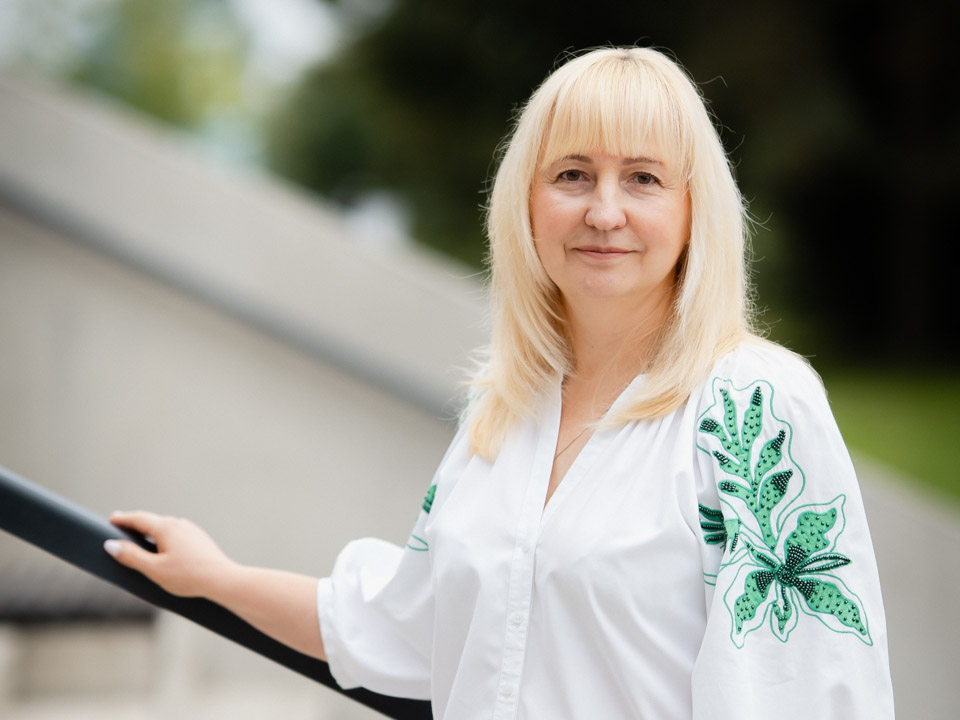
Alla Fedorova

Faculty of Law
A lawyer giving a voice to socially disadvantaged groups in European law
Alla Fedorova’s arrival in Olomouc was far from joyful. She came to the Czech Republic in 2022, fleeing the war in Ukraine. Before the Russian invasion, she worked as an associate professor at Taras Shevchenko National University of Kyiv and was already an established expert in international human rights law, focusing on social rights in European countries.
At Palacký University, she works as a researcher at the Department of International and European Law. Together with her mentor, Ondřej Hamuľák, she received a Marie Skłodowska-Curie Actions grant dedicated to Ukrainian researchers. Their project, The Approximation of Ukrainian Social and Labour Legislation to EU Law, produced recommendations on how Ukraine can align its social and labour legislation, social security system, with EU standards.
Alla is currently supported by the Czech Science Foundation and is studying the social rights of people from Ukraine under temporary protection in EU countries. As both a legal scholar and a holder of temporary protection herself, she brings a unique perspective to the topic. “This is the first time the Temporary Protection Directive has been activated at the EU level, and it is a completely new phenomenon for both international and European law. In the Czech Republic alone, there are nearly half a million Ukrainians, which presents a major challenge for social system, public authorities, and the labor market. Countries are still learning how to handle this situation, and as the war continues, many are trying to reduce social support, especially for people of working age. However, many women with small children cannot work due to a lack of childcare, as well as people who are ill. These are blind spots, and I am trying to bring them to attention,” Alla explains. In addition, within this new project she focuses on developing proposals for more sustainable social systems for people under temporary protection, with housing being one of the most urgent issues – particularly in countries such as Czech Republic, where housing costs are very high.
She is also a member of the European Committee of Social Rights, which represents an exceptional achievement both for her personally and for Ukraine. Elected in 2023, she became the first representative of Ukraine in the Committee’s history. In this role, she participates in monitoring the implementation of the European Social Charter by the States Parties, examining national reports from more than forty states, providing legal assessments, adopting conclusions, and considering collective complaints.
While Alla has built a home in Olomouc for herself, her daughter, her father, and even her dog, the war remains a constant presence in her life. News from Ukraine still keeps her awake at night, leaving little space for hobbies she once enjoyed. What she does treasure, however, are quiet walks with her dog in Olomouc’s parks – and living without long-term plans, taking each day as it comes.
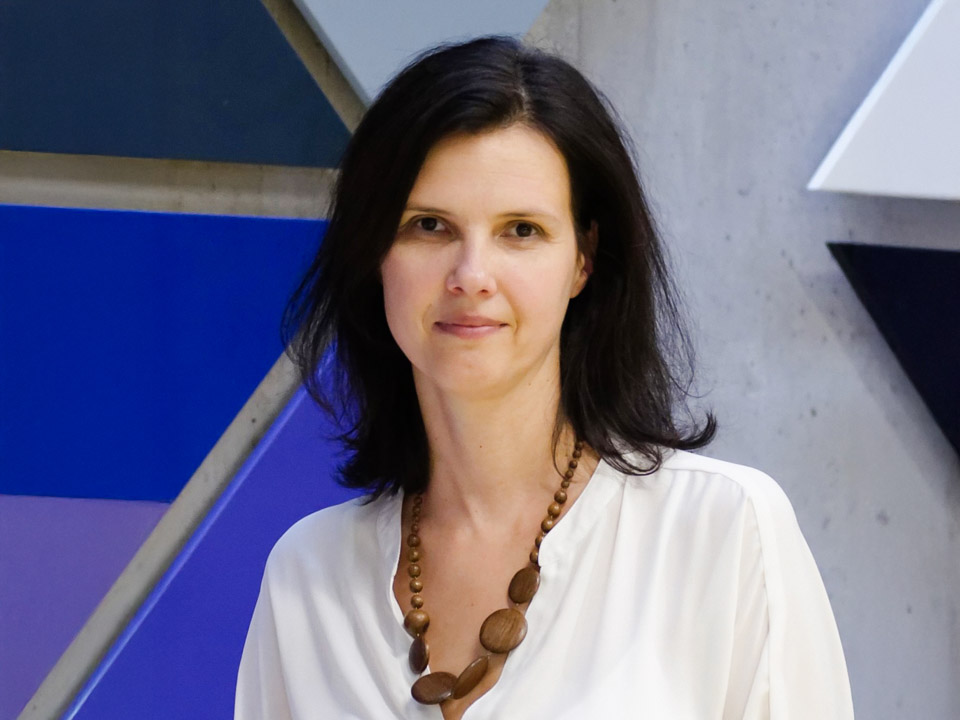
Janka Kaščáková
Faculty of Education
Literary scholar teaching that books allow us to live a thousand lives
Janka Kaščáková works at the Institute of Foreign Languages at the Faculty of Education. She is originally from Slovakia, where she studied English and French, and today she is ranked among recognized experts on literary modernism. Her lifelong academic passion is the work of New Zealand writer Katherine Mansfield. In addition to teaching future English scholars in Olomouc, she also works at the Catholic University in Ružomberok and holds the prestigious position of Vice-President of the international Katherine Mansfield Society.
In her professional work, she focuses on the turn of the 19th and 20th centuries, specifically short story writing. She views literature not just as study material, but as a tool for life from which we can draw inspiration and lessons. “Literature gives us the opportunity to live many lives. We have only one life and choose one path, but in books, we can experience things and emotions that would otherwise pass us by,” explains Janka Kaščáková.
Her specialization is Katherine Mansfield, an author who fundamentally changed the shape of the modern short story. Janka Kaščáková is one of the few experts in Central and Eastern Europe who studies this author in such depth, and she is a proud member of the international Katherine Mansfield Society. “Only few people focus on modernism. That makes me value collaboration with colleagues around the world even more,” she adds.
Her academic path started at the University of Prešov with studies in English and French. Through doctoral studies in Bratislava, her journey led to Brno, where she received her habilitation at Masaryk University. Although she permanently lives and works in Slovakia, she commutes to Olomouc regularly. “Olomouc has an amazing atmosphere; it is a true university city. I enjoy working with students because they are inquisitive and open to new perspectives on literature. For me, it is not just about teaching them hard data, but guiding them towards a deeper understanding of the text and critical thinking,” says Janka Kaščáková, who inspires students on both sides of the Czech-Slovak border.
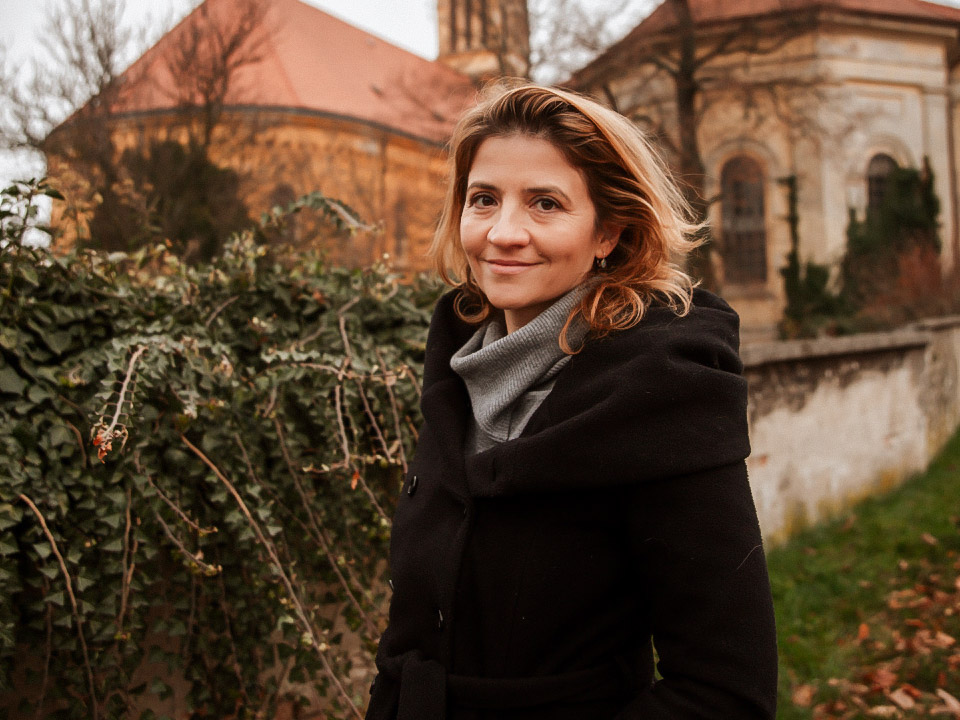
Natália Kaščáková
Sts Cyril and Methodius Faculty of Theology
Psychiatrist and researcher exploring the scars on the soul and the power of human resilience
Natália Kaščáková works at the Social Health Institute OUSHI, where she focuses on the biopsychosocial approach to health. She studied medicine with the goal of becoming a general practitioner or pediatrician, but she was eventually captivated by psychiatry and, after 18 years of clinical practice, by research as well. She began her psychotherapy training unusually early, while still studying medicine, and this field became a fundamental pillar of her work. In her work, she connects the world of “hard data” with an intimate human stories, investigating how childhood trauma affects our health in adulthood and the role played by psychological resilience. Even though she lives and practices in Slovakia, Olomouc has grown close to her heart due to its unique atmosphere.
In her professional work, she primarily focuses on psychosomatics, psychotraumatology, and the impact of adverse life events on health. “The goal is not just to collect data, but above all prevention and awareness. We want to find out how to reverse or mitigate negative health impacts,” explains Natália Kaščáková regarding the essence of her work. Her research relies on the analysis of large data sets – ranging from thousands of respondents from the general population to very specific groups, such as psychiatric patients or homeless people. Together with her team, she seeks answers to how resilience and positive experiences can heal wounds from the past.
A happy coincidence led her to science. During her pregnancy, she attended conference, where she met Professor Peter Tavel from Palacký University, who was seeking help with data analysis. Although she initially thought that as a mother and a doctor she would not fully engage in research, scientific work sparked her curiosity. Today, she enjoys connecting her clinical practice as a psychiatrist with scientific approach.
Although she works in an outpatient clinic in Bratislava, she fell in love with Olomouc for its atmosphere and community spirit. Thanks to its flexibility, scientific work allows her to combine her career with family care, which she perceives as key. To cope with the demanding topics, she encounters in her medical practice and research, she keeps herself in mental and physical shape through dancing, exercise, and yoga.
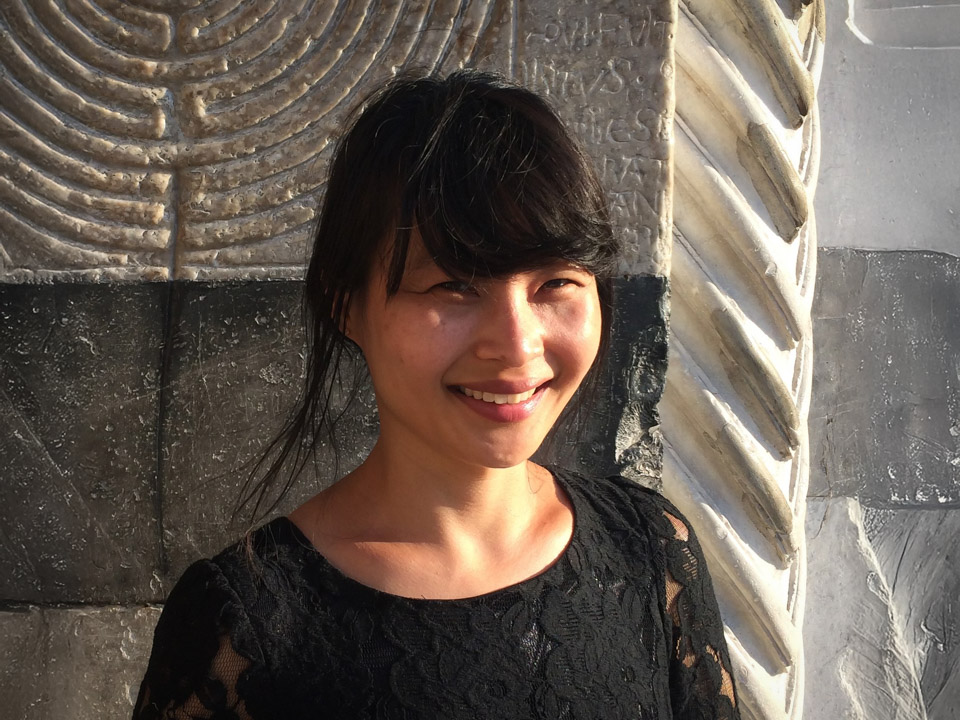
Sunwoo Lee
Faculty of Physical Culture
A social gerontologist exploring how to age with resilience, dignity, and thrive
Sunwoo Lee, Ph.D. comes from Busan, South Korea, but her academic path led her through the United States all the way to our Haná region. While she earned her doctorate at Texas A&M University in 2013, fate brought her to Olomouc for a postdoctoral position, where a planned short stop turned into a home for more than ten years. At the Faculty of Physical Culture, she focuses on population aging through the lens of social and behavioural science, examining how older adults’ health and well-being are shaped by individual experiences and broader societal contexts across the life course.
In her professional work, she profiles herself as a social gerontologist. Her interests extend beyond the physical aspect of aging to a broader and more nuanced picture of later life. How to remain not only fit in old age, but also psychologically resilient and socially connected? “When discussing my research outside academia, I often get a simple but powerful question: How can I be healthy and happy when I am seventy or eighty? I am trying to find answers not just for society through scientific inquiry, but also for my beloved ones and myself. I am looking for guiding ways to better navigate my own aging,” she explains her motivation. Thus, her research is not just theoretical and evidence-oriented but also grounded in a genuine commitment to reaching old age with resilience, dignity, and the ability to contribute to the well-being of others.
In the world of science, often obsessed with competitiveness and career peaks, Sunwoo promotes a philosophy of consistency and quality. “I don’t think I am waiting for or chasing any big career peak. Maybe I am not the fastest runner in the professional race, but I try to focus on staying consistent, doing meaningful and quality work, and keeping balance with other aspects of my life. What matters more to me than one-time success is that I do my job day by day, honestly, and keep moving forward,” she says with a smile. This approach, which she herself compares to a snail’s pace, allows her to maintain joy in research and avoid burnout.
When she is not analyzing data or writing papers at the university, you can find her in Olomouc parks with binoculars in hand. Her passion is bird watching, which was inspired by her supervisor during her studies in Texas. “It is a wonderful way to slow down and perceive the details of nature. Just listen, and you know who is sitting on the branch,” she describes. She also relaxes by taking long walks or runs in nature and by doing manual activities such as knitting or crocheting. She also loves the Saturday farmers’ market at Tržnice Olomouc, and sipping coffee at Naše Café with her beloved philosopher.
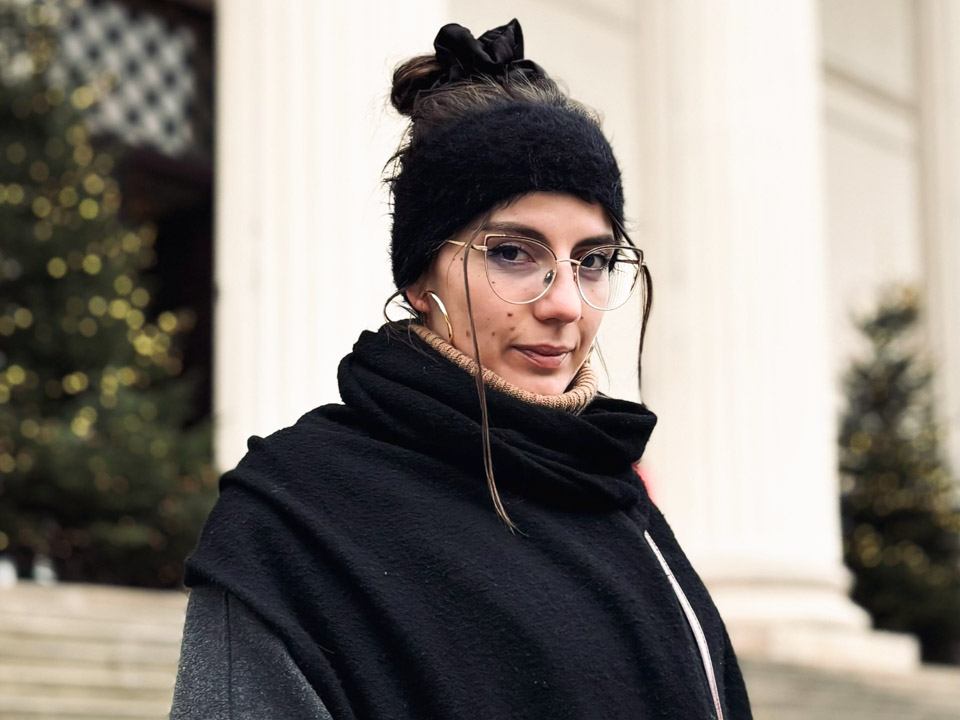
Sunčica Sukur
Faculty of Medicine and Dentistry
A scientist using nanotechnologies to develop smarter approaches to cancer treatment
After completing her master’s degree in Chemistry, with a focus on Nanochemistry and Nanotechnology, at the University of Banja Luka in Bosnia and Herzegovina, Sunčica Sukur moved to Olomouc to join the Institute of Molecular and Translational Medicine (IMTM). She became part of the STRIKE Marie Skłodowska-Curie Actions (MSCA) Doctoral Network, a Horizon Europe project, which focuses on the development of smart materials for the diagnosis and treatment of bone cancer. Her research aims to develop new approaches to drug delivery and tumor treatment using specialized magnetic nanoplatforms.
“When I was looking for a PhD position, I wanted a project that would match my interests and dreams, and I found exactly that in Olomouc. The city itself is lovely. At IMTM, everyone speaks English, which makes it much easier to settle in. I do not take this for granted, as I am still a foreigner, so I am very grateful to feel welcome here,” describes Sunčica her journey to Olomouc. She also highlights the strong research infrastructure at IMTM, advanced technologies, well-equipped laboratories, and funding opportunities, which she sees as a significant advantage with the conditions in her home country.
During her two years in Olomouc, she has already achieved promising results in the development of drug delivery systems. “Our goal is to design smart magnetic drug nanocarriers that can be guided using an external magnetic field. Ideally, once injected into the body, these magnetic nanostructures could be directed to the tumor site and release therapeutic agents precisely where they are needed,” Sunčica explains.
This targeted approach is essential, as conventional cancer treatments damage healthy cells and cause severe side effects. “That’s why we call our system a smart delivery system – we design the materials so they can transport the drug safely through the body without harming healthy cells, then break down and release the drug once they reach the tumor – so, in a way that they ‘know’ where to go and what to do,” she adds. Beyond drug delivery, magnetic nanomaterials also have broader biomedical applications, including the use of magnetic nanoparticles as contrast agents in magnetic resonance imaging, enabling tumor visualization, diagnosis, and monitoring.
Being part of an MSCA project also brings numerous opportunities beyond research, including travel to international conferences and the development of valuable soft skills. Sunčica is currently doing an internship at the Wiley-VCH publishing house in Weinheim, Germany, where she is gaining first-hand insight into the editorial process and how scientific manuscripts are reviewed.
In the long term, her ambition is to become an independent researcher with broad expertise in nanomedicine and nanotechnology, contributing to the development of new and improved therapeutic strategies.
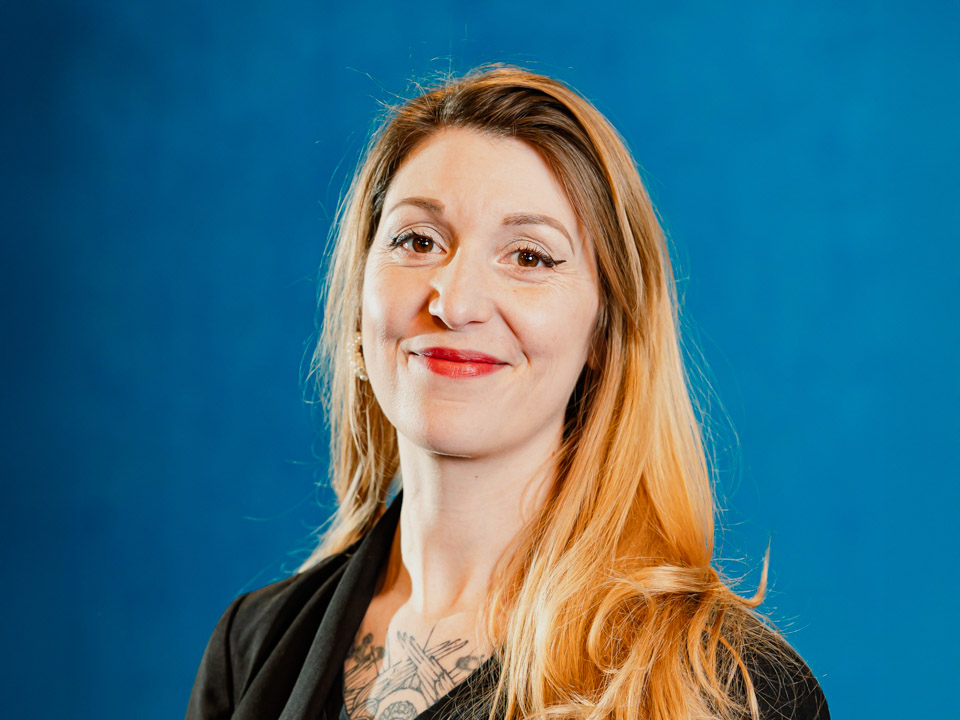
Elizabeth Allyn Woock
Faculty of Arts
A historian who uses comics as a tool to understand history
After completing her bachelor’s degree in Medieval Studies in the United States, Elizabeth Allyn Woock moved to the Czech Republic, where she has now lived since 2008 – and plans to stay. Her interest in medieval history led her abroad: “There is very little medieval history in the US, and I didn’t have many opportunities to travel. So, my strategy was to move, learn the language, and study abroad.” After living in Vsetín and Valašské Meziříčí, and completing exams in Czech language, she applied to Palacký University, where she completed both her master’s and PhD degrees.
Over time, her academic focus shifted from medieval history to cultural and literary studies. She became increasingly interested in how medieval history is (mis)used in contemporary culture and political narratives. “Medieval history is far enough away that people feel they own it. Everyone involved is long gone, so no one can correct our interpretations. That makes it very easy to project modern ideologies onto the past,” Elizabeth explains, referring for example to the use of Viking imagery in extremist or nationalist discourse. Her interdisciplinary background allows her to analyze how history is employed to shape current identities and beliefs.
A central part of her research today focuses on comics as a medium. Coming from a family of artists and having studied music and visual arts, she sees comics as a powerful tool for communicating complex ideas. “Comics combine image, text, and dense visual references. They can show things that would be very difficult to explain only with words,” she says. In her work, she analyzes both the textual and visual ways history is represented in comics and popular media.
Elizabeth is also deeply engaged with questions of women’s rights and the role of women in history. Having studied at a women-only university in the US – Smith College, one of the original Seven Sisters – she is keenly aware of how differently gender and equality are shaped by cultural context. She appreciates the efforts of senior colleagues at the Faculty of Arts to support gender equality and promote women in academia, while also openly addressing the challenges she faces, such as gender-based bias in student evaluations.
Despite these obstacles, Elizabeth remains reflective and grateful. “I work in a beautiful building that was not built for women. And yet here I am, sitting at a desk with a view that was never meant for my eyes. That, in itself, is a privilege,” she says, adding that she is glad to be living and working in this place at this time.
Huang Xiao Rui
Faculty of Health Sciences
A physician bridging traditional and modern approaches in rehabilitation, aiming to help patients after stroke
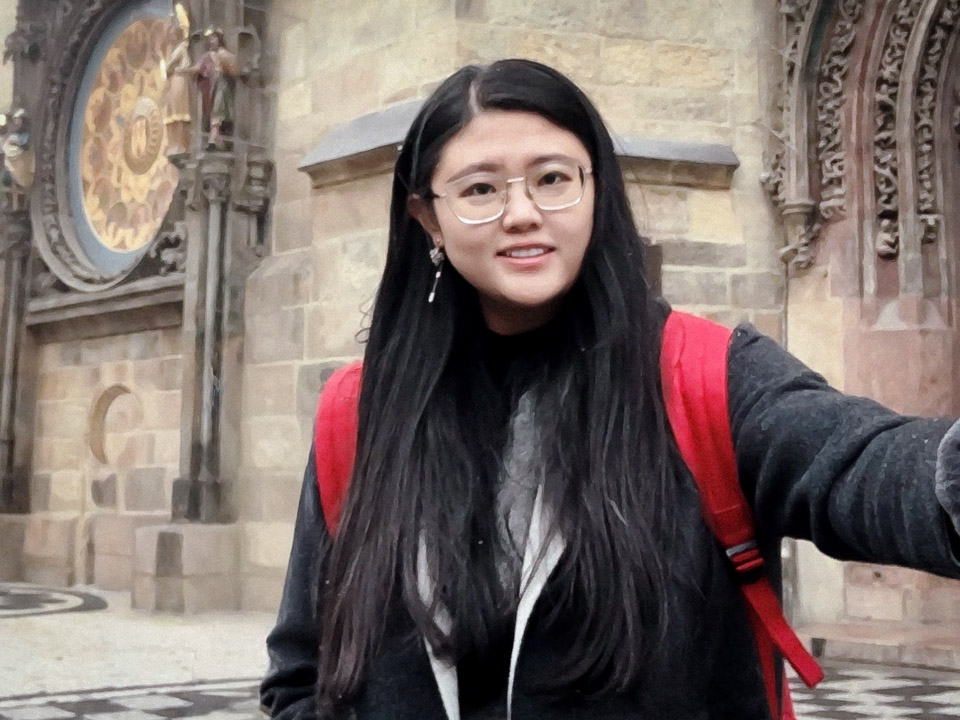
Huang Xiao Rui studied medicine in China, specializing in clinical rehabilitation. She came to Olomouc four years ago and work at a medical clinic. “In China, I worked in a hospital as a specialist in acupuncture and treated many patients after stroke. Rehabilitation in the Czech Republic, and especially in Olomouc, is at a very high level, so I wanted to deepen my knowledge and continue developing my interest in rehabilitation. After settling here, I realized that I enjoy the academic environment a lot and wanted to take my expertise a step further to cooperate with outstanding doctors and scientists to help more patients. That is why I applied for a PhD programme,” Huang explains her path to the Faculty of Health Sciences in Olomouc.
Her research focuses on evidence-based medicine and neurorehabilitation. “One of my projects focuses on electroacupuncture, which combines acupuncture with electrical stimulation. The World Health Organization (WHO) has included acupuncture as one of the recommended means of post-stroke rehabilitation, as far as I know, this type of treatment is already being adopted by some Czech neurologists, and there is growing research evidence that it can help patients in neurorehabilitation. I mainly focus on patients with upper limb spasticity after stroke, as many of them experience limited arm and hand mobility. Step by step, to help them return to normal daily life,” Huang outlines her research topic.
During her PhD studies, she aims to build high-quality and valuable evidence, in order to support sound clinical decision-making. Through systematic research, she hopes her work can help improve the quality of life of more stroke patients, while also providing useful scientific evidence for other doctors that they can reference to help more patients. And also step by step, contributing to meaningful progress in the field of neurorehabilitation.
Although she is far from home, Huang appreciates the supportive university community and life in Olomouc, which she finds very welcoming. She truly values the learning and living environment here, which offers abundant learning resources and brings together many talented and friendly people. “I had some friends here before I arrived, and I have made many more good friends since 2021 which makes my life here very warm. It is a very safe and clean city with beautiful architecture. At the beginning, it was difficult to adapt to city life because of the language barrier, but my friends and teachers have been very supportive and are helping me a lot in life,” says Huang.
Asta Žukauskaitė
A chemist whose passion lies in creating molecules that serve a real purpose
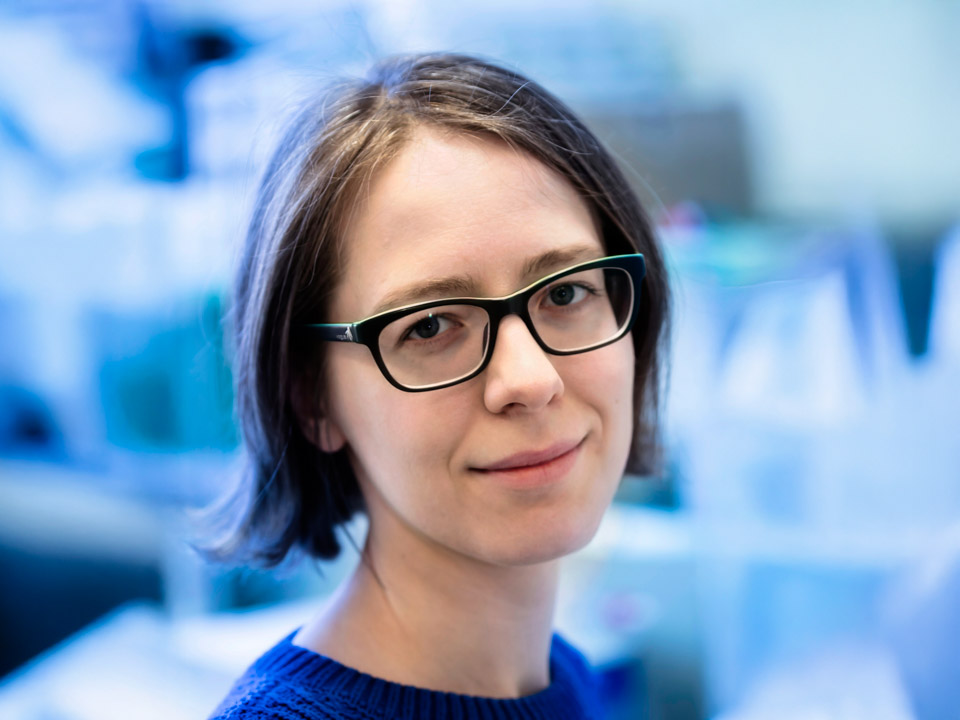
Asta Žukauskaitė comes from Lithuania, but she found her scientific home in Olomouc. She works at the Department of Chemical Biology at the Faculty of Science, where she leads her own research group, motivates her students to grow professionally and gain experience abroad. She arrived in Olomouc in 2013, just one month after defending her doctoral degree. Although she considered studying medicine in her youth, chemistry ultimately won. She strives for the applicability and real-world utility of her research.
In her professional work, she specializes in the synthesis of heterocyclic compounds, particularly indole derivatives. The goal of her research is not just the theoretical preparation of new substances, but finding their real-world application, whether as potential drugs or plant growth regulators. Asta Žukauskaitė and her team develop sophisticated tools that help biologists “see” inside plants. “Chemistry is already fascinating by itself, but I always wanted my work to have meaning and specific utility. It is motivating to see that what we prepare can truly be of use to people,” she explains her purpose-driven approach.
As a team leader, she prioritizes the development of her people. For her, success does not just mean her own publication activity, but primarily the growth of her students. “I am very proud of them. My greatest joy is seeing them move forward and grow personally and professionally,” she says. She encourages her students to go for internships because she considers international experience crucial for a scientific career. She gives her students one crucial piece of advice: “Be curious and stay informed about your possibilities. If you don’t know what is possible, you cannot achieve it.”
In Olomouc, she appreciates the atmosphere of the city and its accessibility, where everything is within walking distance. When she is not doing science, she relaxes best with board games. She and her boyfriend are frequent visitors to the university board game club, where she can truly unwind. And life in Czechia? She perceives no cultural barriers. “Lithuania and Czechia are very similar; we like similar food and share a passion for sports. The only difference? Spring comes earlier to Czechia. I can’t wait for that,” she adds with a smile.
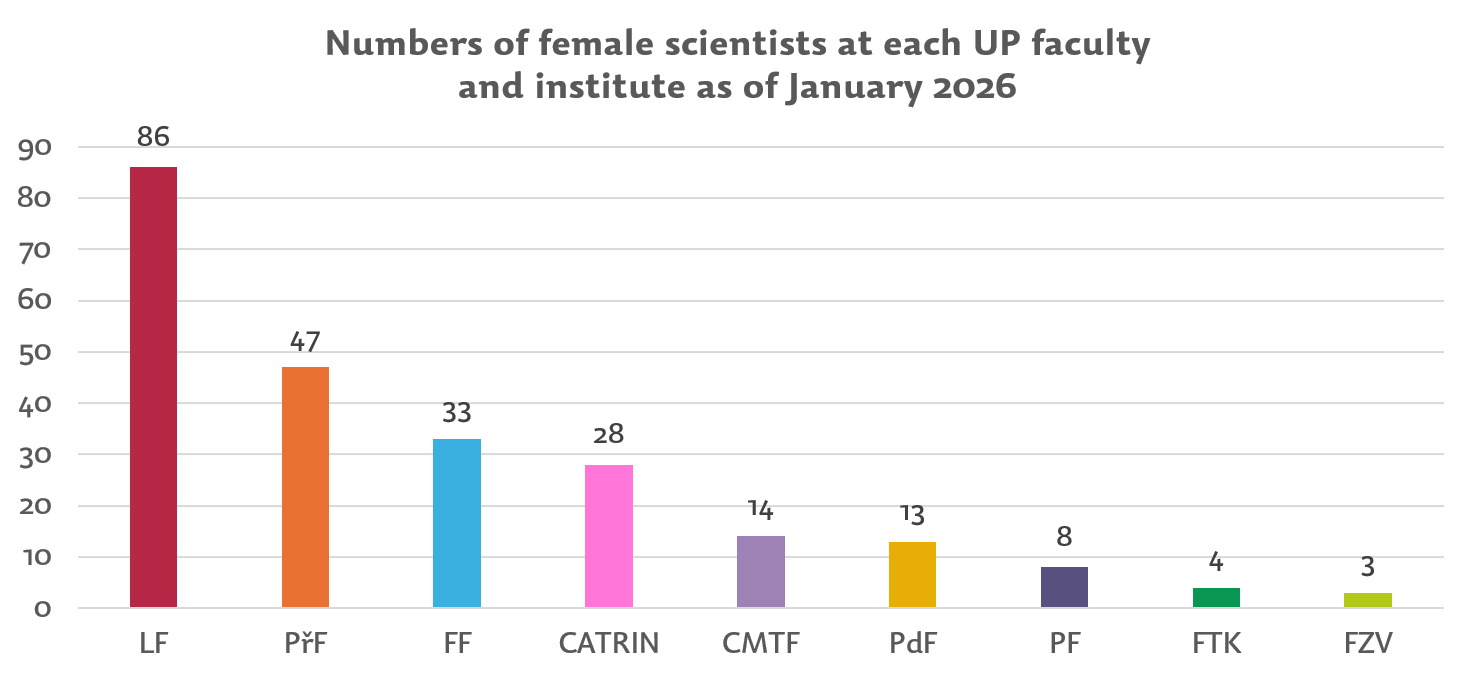
A total of 535 foreign scientists are employed at Palacký University, 239 of whom are women – approximately 45 percent. It is a truly diverse community: women scientists from 34 countries around the world can be found here. Although half of the foreign women scientists at Palacký University come from Slovakia, there is also a sizable community of researchers from India, Ukraine, and Italy. In the laboratories and classrooms of Palacký University, we also encounter women scientists from Australia, Belgium, Colombia, or Taiwan.
The highest number of foreign women scientists work at the Faculty of Medicine and Dentistry, followed by the Faculty of Science, the Faculty of Arts, and the CATRIN research institute.
The diversity of the university community is further enriched not only by international academics but also by students. Among more than 23,000 students, there are around 3,500 internationals from 81 countries worldwide. Half of them come from Slovakia, with significant representation also from Ukraine, Spain, Indonesia, and Israel. On campus, you may also encounter students from Bangladesh, Georgia, Uganda, or Bolivia. Nearly 2,500 of our international students are women. Thus also among foreign students are significantly more women than men at Palacký University.
The fact that Palacký University has been gradually opening up to the world is evident when comparing the number of international students today with figures from twenty years ago. While approximately 15 percent of our student body now comes from abroad, in 2003 it was less than 5 percent. Even then, however, women and girls already outnumbered their male counterparts.

Mobilní UPlikace:


Univerzita Palackého v Olomouci
Křížkovského 8
771 48 Olomouc
www.upol.cz